

Tanzania in Talks with Russia over Floating Nuclear Power Plant Projects

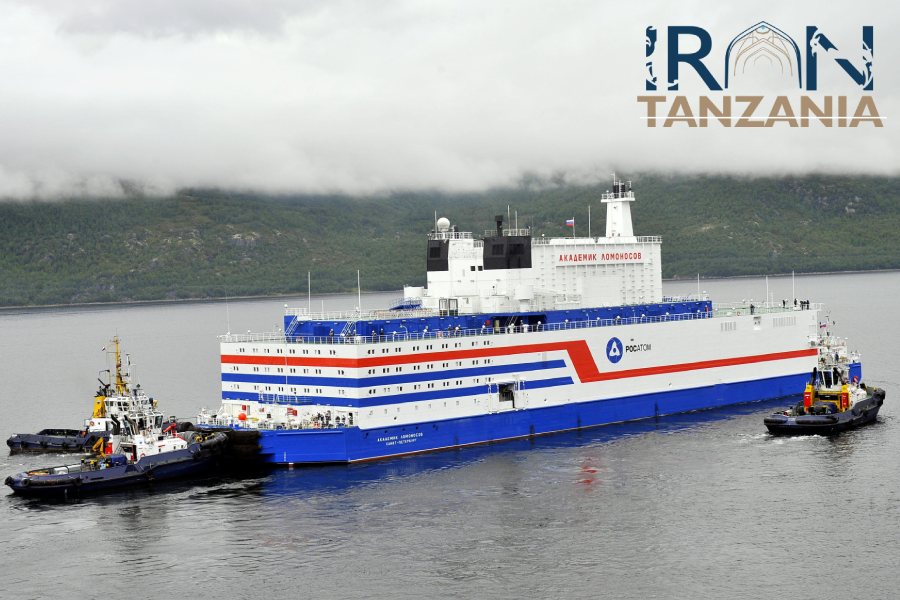
Tanzania is among four African countries holding detailed discussions with Russia over the potential development of floating nuclear power plants. The announcement was made during the Third Russia–Africa Summit in Moscow, highlighting a possible new area of energy cooperation between Tanzania and Russia.
Alexei Likhachev, Director General of Russia’s state-owned nuclear corporation Rosatom, said that Egypt, Tanzania, Togo and Namibia were involved in discussions on floating nuclear power technology. According to him, nine African countries have expressed significant interest in the technology.
Zanzibar Identified as a Priority for Tanzania
According to Rosatom’s chief executive, Tanzania has identified floating nuclear power technology as a priority option for consideration, particularly for Zanzibar.
A floating nuclear power plant is a power-generation system in which nuclear reactors are installed on a marine vessel or floating platform. These units can be positioned near coastal areas and connected to electricity grids to supply power to cities, industries and other facilities.
The technology is attracting interest from coastal countries seeking to expand electricity generation capacity. Compared with conventional land-based nuclear stations, floating units may offer a different infrastructure model, although they still require extensive safety, regulatory and grid preparations.
Russia Expands Nuclear Energy Discussions across Africa
Russia’s nuclear energy discussions extend beyond Tanzania. Rosatom has also identified Egypt, Togo and Namibia as countries involved in talks over floating nuclear power projects.
Separately, Russia is discussing the construction of large-scale nuclear power plants with Uganda, Ghana, Ethiopia and Egypt. The company says its approach is tailored to the energy requirements and circumstances of each country.
In Egypt, Rosatom is constructing the El Dabaa nuclear power plant, which consists of four reactor units. The possibility of expanding the project from four to six units is also under discussion.
Third Russia–Africa Summit Focuses on Energy Cooperation
Nuclear energy cooperation was among the key topics at the Third Russia–Africa Summit, held in Moscow on October 28–29, 2026. Representatives from around 50 African countries attended the event, where energy, infrastructure, technology, agriculture and economic development were discussed.
Russian President Vladimir Putin said African countries had shown interest in nuclear power plants, small-scale nuclear technologies and the peaceful applications of nuclear science in medicine and agriculture.
Africa currently has one operational nuclear power plant, the Koeberg facility in South Africa. Egypt is also building its first nuclear power station through the El Dabaa project.
Opportunities and Challenges for Tanzania
If the discussions progress, cooperation with Russia could create opportunities for Tanzania in electricity infrastructure, technology transfer, specialised workforce training and participation by engineering and technical service companies.
However, implementing such a project would require detailed technical and economic assessments, financing arrangements, regulatory frameworks, nuclear safety standards, radioactive waste management systems and specialised human-resource development.
As of October 31, 2026, no final agreement to construct a floating nuclear power plant in Tanzania has been announced. Details regarding the project’s cost, final capacity, deployment location and implementation schedule also remain undisclosed.
Conclusion
Tanzania’s participation in detailed discussions with Russia over floating nuclear power technology represents a potential new direction in the country’s long-term energy strategy.
The particular focus on Zanzibar could make the region an important area for future energy cooperation between Tanzania and Russia. However, the realisation of such a project will depend on the outcome of technical assessments, regulatory preparations and future agreements.
