

Tanzania’s 3.8 Million Housing Deficit Creates New Investment Opportunities in Construction

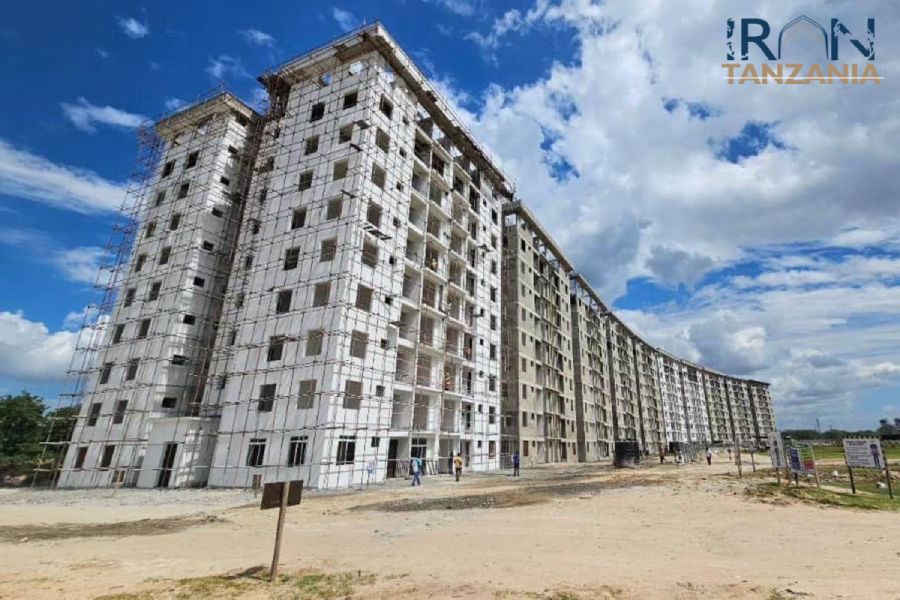
Tanzania’s estimated shortage of 3.8 million housing units, combined with population growth and rapid urbanisation, is creating new investment opportunities in residential construction, building-material manufacturing and related industries.
The issue was highlighted at the Makazi 2050 Forum, held in Dar es Salaam on October 27, 2026. Government officials, development organisations and private-sector representatives discussed affordable housing, urban infrastructure, local production of construction materials, housing finance and the use of technology in future urban development.
Housing Shortage Creates a Large Market for Investors
Tanzania is estimated to face a housing deficit of approximately 3.8 million units. Population growth, migration to urban centres and rising demand for residential properties are increasing pressure on the construction market.
Annual demand for new housing was estimated at around 200,000 units during discussions at the forum. This creates demand not only for residential development but also for greater production of building materials and construction equipment.
Companies involved in construction, real estate development, housing finance and building-material manufacturing could benefit from the expanding market.
Tanzania’s Domestic Building-Material Manufacturing Capacity
One of the key topics at the Makazi 2050 Forum was the need to make greater use of domestic manufacturing capacity and reduce dependence on imports of certain construction products.
According to figures presented by a representative of the Tanzania Trade Development Authority (TanTrade), the country has considerable production capacity in several building-material industries:
- Cement: Annual production capacity is approximately 7.7 million tonnes.
- Steel: Local manufacturers have an annual production capacity of around 1.2 million tonnes, compared with estimated domestic demand of 600,000 tonnes.
- Roofing sheets: Domestic production capacity is approximately twice the level of local consumption.
- Flat glass: The Sapphire Float Glass plant in Lindi produces more than 700 tonnes of flat glass daily, exporting around 60 percent of its output to regional markets.
Despite these production capabilities, Tanzania continues to import certain products required by the construction and housing markets. Figures presented at the forum showed that the country imported approximately $34.5 million worth of furniture and $7.1 million worth of doors and windows.
These figures highlight opportunities for local manufacturers to expand production, improve product quality and replace some imports.
Investment Opportunities in Building Materials and Construction Equipment
Growing housing demand could support the expansion of companies manufacturing and supplying a wide range of construction products.
Potential investment areas include:
- Manufacturing doors, windows and building profiles
- Furniture and interior furnishing production
- Glass, tiles, ceramics and decorative building products
- Cement plants and concrete products
- Steel structures and roofing materials
- Prefabricated components and modern construction materials
- Construction machinery and production-line equipment
- Affordable housing and large-scale residential development
For foreign investors, establishing local manufacturing operations, partnering with Tanzanian companies and transferring technology could provide a long-term presence in the domestic market and access to regional markets.
Infrastructure and Housing Finance Are Essential
The Makazi 2050 Forum also emphasised that housing development must be supported by essential infrastructure, including roads, electricity, water supply, transport networks and urban services.
Land-use planning, secure property ownership, predictable taxation and administrative stability were also identified as important conditions for attracting long-term investment in real estate.
According to information presented at the forum, approximately TZS 466 billion has been allocated to the national housing scheme. A further TZS 607 billion in joint-venture commercial and residential housing projects is in the pipeline.
Expanding housing finance, mortgage facilities, construction loans and public-private partnerships could also help increase the supply of residential units.
Opportunities for Iranian Companies
The expansion of Tanzania’s construction market could also create opportunities for Iranian companies operating in building materials, industrial equipment and engineering services.
Iranian manufacturers of cement, tiles, ceramics, glass, building profiles, doors, windows, construction equipment and production-line machinery could explore export opportunities, partnerships with local distributors or industrial investment in Tanzania.
Given the emphasis on increasing domestic production, joint ventures, local assembly and technology transfer could offer longer-term opportunities compared with relying exclusively on exports of finished products.
Conclusion
Tanzania’s estimated housing deficit of 3.8 million units, together with urbanisation and infrastructure development, is creating a substantial market for the construction industry.
Existing production capacity in cement, steel and glass, alongside imports of products such as furniture, doors and windows, points to opportunities for domestic manufacturing and investment in related industries.
Improved housing finance, infrastructure development and predictable investment regulations could help make the housing and construction sector an important destination for investment and international business cooperation in Tanzania.
