

Tanzania’s President Arrives in Türkiye for COP31, Focusing on Clean Energy and Climate Finance

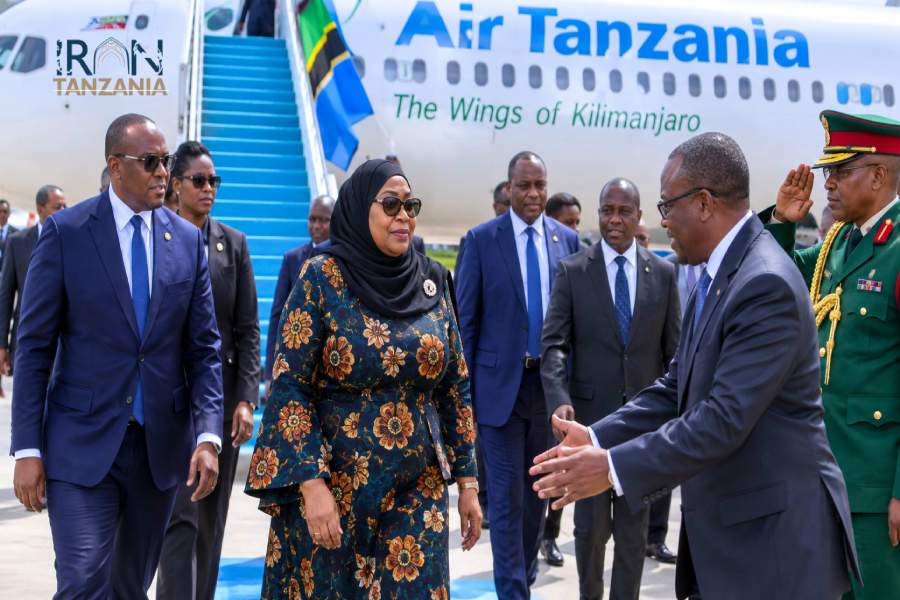
Tanzanian President Samia Suluhu Hassan arrived in Antalya, Türkiye, on November 10, 2026, to participate in the 31st United Nations Climate Change Conference (COP31). The summit provides Tanzania with an opportunity to present its climate priorities, strengthen international partnerships and seek financing for environmental and clean-energy projects.
According to Tanzania’s Presidential Communications Directorate, President Hassan is scheduled to attend the Antalya Leaders’ Summit and participate in a high-level discussion on accelerating the transition to clean cooking energy across Africa.
She is also expected to hold bilateral talks with Turkish President Recep Tayyip Erdoğan on the sidelines of the conference to discuss bilateral cooperation.
Clean Cooking Energy: A Key Priority for Tanzania
One of Tanzania’s main priorities at COP31 is expanding access to clean cooking technologies.
Many households and public institutions across Africa continue to rely on firewood and charcoal for cooking. This dependence contributes to environmental degradation, air pollution and health risks.
Tanzania aims to ensure that 80 percent of its population uses clean cooking energy by 2034.
The government’s programme prioritises public institutions that prepare meals for large numbers of people, particularly primary schools and hospitals.
Expanding access to modern cooking equipment and cleaner energy sources could help reduce reliance on traditional fuels while improving environmental and public health outcomes.
Tanzania’s Five Priorities at COP31
Before the conference, Tanzania outlined five key priorities during a national preparatory workshop in Dar es Salaam.
These include:
- Climate finance: Improving access to international funding for climate-related projects.
- Climate adaptation: Strengthening the country’s ability to respond to droughts, floods, changing rainfall patterns and other climate impacts.
- Emissions reduction: Expanding clean energy and implementing measures to reduce greenhouse gas emissions.
- Technology transfer and capacity building: Accessing modern technologies and developing the technical skills needed to implement climate projects.
- Carbon markets and loss and damage: Participating in carbon market mechanisms and pursuing financial support to address climate-related losses and damage.
The government has also highlighted the importance of restoring coastal and marine ecosystems, protecting biodiversity and increasing the involvement of local communities, particularly women and young people.
COP31: An Opportunity for International Cooperation
The 31st United Nations Climate Change Conference is taking place in Antalya from November 9 to 20, 2026. The Antalya Leaders’ Summit is scheduled for November 11 and 12.
The conference brings together governments, international organisations, financial institutions, private-sector companies and environmental stakeholders to discuss greenhouse gas emissions, climate finance, clean energy and climate resilience.
For Tanzania, participation provides an opportunity to advance its financing and technology priorities while building partnerships with international investors and development institutions.
Business Opportunities for Iranian Companies
Tanzania’s focus on clean energy, climate adaptation and sustainable infrastructure could create several areas of cooperation for Iranian companies.
Potential opportunities include:
1. Solar energy equipment: Supplying solar panels, inverters, batteries and electricity systems for public institutions and industrial facilities.
2. Clean cooking technologies: Providing energy-efficient stoves, gas-powered equipment and modern cooking solutions for schools, hospitals and households.
3. Water management equipment: Supplying water treatment, pumping, irrigation and resource-management systems to address water stress.
4. Climate-smart agricultural technologies: Developing modern irrigation systems, greenhouses and water-efficient agricultural equipment.
5. Environmental and engineering services: Cooperating on environmental impact assessments, waste management and sustainable infrastructure projects.
Turning these opportunities into commercial agreements will require identifying specific projects, assessing available financing and procurement opportunities, and understanding Tanzania’s technical standards and regulatory requirements.
Conclusion
President Samia Suluhu Hassan’s participation in COP31 highlights the growing importance of climate finance, clean energy and environmental resilience in Tanzania’s economic agenda.
The country’s focus on clean cooking, its target of achieving 80 percent clean cooking energy access by 2034, and its efforts to attract international finance and technology could create opportunities for investors and equipment suppliers.
For Iranian companies operating in energy, industrial equipment, agricultural technology and water management, following the outcomes of COP31 could help identify new pathways for economic cooperation with Tanzania.
Sources:
- The Citizen, November 10, 2026
- The Guardian Tanzania, November 10, 2026
- The Citizen, October 29, 2026
- United Nations Framework Convention on Climate Change (UNFCCC)
