

Zanzibar Plans $440 Million Investment to Expand Healthcare Services by 2030

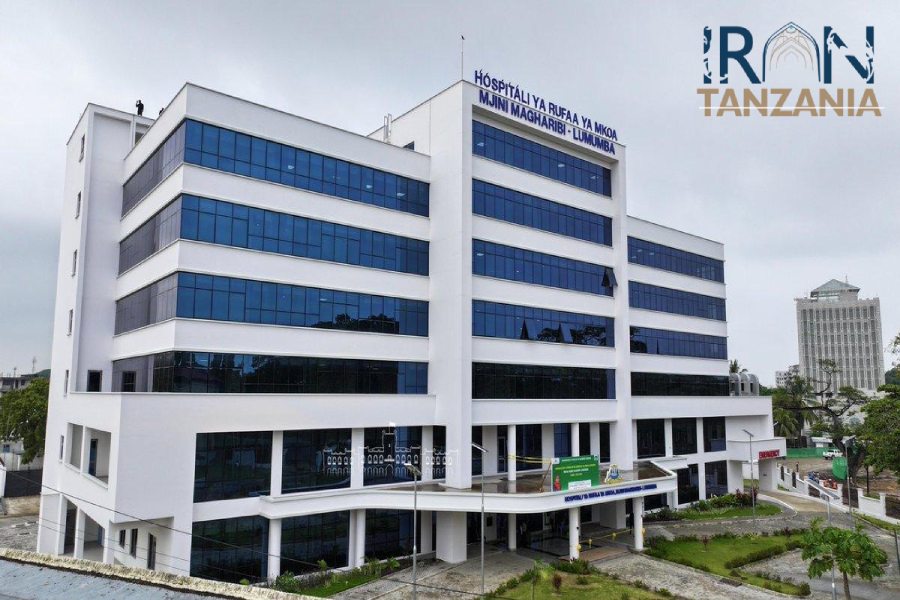
The Revolutionary Government of Zanzibar has announced plans to invest $440 million in the healthcare sector by 2030, aiming to expand medical infrastructure, improve access to specialised treatment and reduce the need for patients to seek medical care outside the islands.
According to The Citizen, reporting on November 7, 2026, Dr Mngereza Mzee Miraji, Permanent Secretary in Zanzibar’s Ministry of Health, said the government plans to commit approximately $440 million, equivalent to TSh1.16 trillion, to strengthening healthcare services between 2026 and 2030.
The new programme builds on previous healthcare investments. Government officials said Zanzibar invested approximately $40 million between 2020 and 2025 in the construction of 10 district hospitals across Unguja and Pemba, as well as Lumumba Regional Hospital.
Expansion of Hospitals and Specialised Medical Facilities
A major priority of the new investment programme is expanding hospital capacity and developing diagnostic facilities and specialised treatment centres.
The government aims to strengthen access to advanced medical services within Zanzibar, particularly in areas such as cardiac care, cancer treatment, eye care and other specialised fields.
This is important because some patients still travel outside the islands or abroad to access advanced medical procedures.
Expanding healthcare facilities across Unguja and Pemba is also expected to improve access to medical services for communities located farther from major hospitals.
Improving Access to Specialised Healthcare
Another objective is to bring healthcare services closer to local communities while strengthening disease screening and early diagnosis.
The five-day Afya Bora, Maisha Bora medical camp, organised by the Zanzibar Maisha Bora Foundation, provides an example of ongoing efforts to improve access to healthcare.
According to organisers, 4,121 people had received treatment by November 6, 2026, against a target of 5,000 beneficiaries.
The medical camp offered services in several areas, including eye care, cardiology, dermatology, ear care, dentistry, maternal and child health, and other specialist services.
Business and Investment Opportunities in Zanzibar’s Healthcare Sector
The planned $440 million investment could increase demand for medical equipment, healthcare technology and hospital support services. This creates potential opportunities for international companies operating in the healthcare industry.
Key areas worth exploring for Iranian businesses include:
1. Medical and Hospital Equipment: Supplying diagnostic systems, laboratory equipment, operating theatre devices, patient monitoring systems and hospital supplies.
2. Specialised Healthcare Infrastructure: Supporting the equipment and development of cardiac, oncology, ophthalmology and other specialised treatment centres.
3. Hospital Engineering Services: Providing hospital design, equipment installation, maintenance and optimisation of technical infrastructure, including backup power and ventilation systems.
4. Pharmaceuticals and Medical Consumables: Exploring opportunities to export medicines, pharmaceutical raw materials and medical consumables, subject to local product registration and import requirements.
5. Digital Healthcare Solutions: Offering hospital management systems, electronic health records, smart medical devices and healthcare information management solutions.
6. Training and Technical Cooperation: Supporting professional training, equipment maintenance and the development of specialised skills among healthcare personnel.
Requirements for Iranian Companies Entering Zanzibar’s Healthcare Market
Despite the potential opportunities, entering Zanzibar’s healthcare market requires careful assessment of regulations and procurement procedures.
Iranian companies should examine project specifications, financing arrangements, tender requirements and potential cooperation with the Ministry of Health and other relevant institutions before submitting commercial proposals.
Exports of medicines and medical devices must also comply with local product registration, technical standards and import and distribution requirements. Identifying reliable local distributors and business partners can help facilitate market entry.
Conclusion
Zanzibar’s planned $440 million healthcare investment by 2030 reflects the government’s commitment to expanding medical infrastructure and improving the capacity of its healthcare system.
The programme could create opportunities in hospital construction and equipment, medical supplies, pharmaceuticals, engineering services and healthcare technology.
For Iranian companies active in medical equipment and healthcare services, Zanzibar represents a market worth exploring for commercial partnerships and participation in East African healthcare projects. However, the realisation of these opportunities will depend on the publication of specific projects, financing arrangements and participation requirements.
