

Tanzania’s Meat Exports Reach New Highs as Livestock Vaccination Opens New Markets

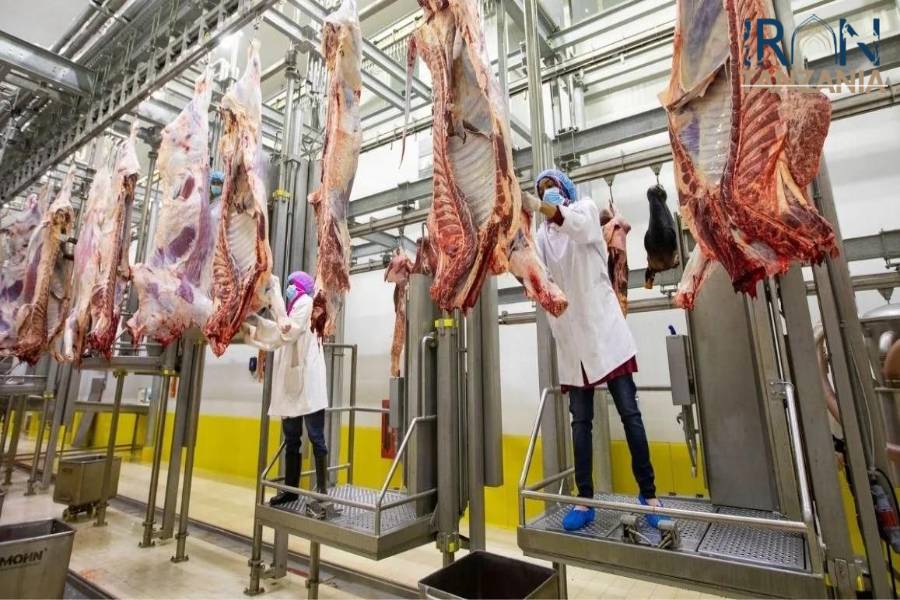
Tanzania’s meat exports have recorded significant growth as the government strengthens livestock vaccination, disease control and veterinary services. The country’s five-year National Livestock Vaccination and Identification Campaign is designed to improve animal health, increase production capacity and support access to international markets.
According to The Citizen, Dr BeneZeth Malinda, Director of Veterinary Services at the Ministry of Livestock and Fisheries, said the campaign had helped open export markets for Tanzanian livestock products in countries including Mongolia, Botswana, Ghana and Israel.
Meat Exports Rise from 669 Tonnes to 14,234 Tonnes
Tanzania’s meat exports reached 14,234 tonnes in the 2025/26 financial year, according to figures reported by The Citizen.
This represents substantial growth compared with 669 tonnes in 2020 and 1,770 tonnes in 2021. Exports stood at approximately 10,000 tonnes in 2022.
The government expects meat exports to exceed 50,000 tonnes by 2030. Achieving this target will depend on improving livestock productivity, controlling animal diseases, strengthening processing infrastructure and meeting international market standards.
Tanzania Commits TZS 216 Billion to Livestock Vaccination
The country’s five-year national livestock vaccination campaign was launched by President Samia Suluhu Hassan in June 2025.
The programme targets livestock diseases that affect trade as well as diseases that can be transmitted from animals to humans.
The government has committed TZS 216 billion to the initiative. Of this amount, TZS 62.2 billion was released during the 2025/26 financial year, while a further TZS 30.8 billion was allocated for 2026/27.
According to the Director of Veterinary Services, vaccine procurement contracts have been completed and distribution is underway.
Strengthening vaccination and livestock identification systems can increase confidence among international buyers, as importing markets require reliable information about animal health, product origin and the sanitary status of meat shipments.
Tanzania Expands Egg Export Markets
Tanzania’s livestock export growth is not limited to meat. The Citizen also reported that the country’s egg exports have expanded into new markets, including China, Sierra Leone, Côte d’Ivoire, Ghana and Cameroon.
This development highlights the potential for Tanzania to increase trade in livestock and poultry products across regional and international markets.
Sustaining this growth will require compliance with animal health regulations, product quality standards and the import requirements of destination countries.
Veterinary Training Strengthens Export Readiness
Alongside vaccination, Tanzania is investing in veterinary skills and disease surveillance.
The In-Service Applied Veterinary Epidemiology Training (ISAVET) programme was conducted in Morogoro with support from the United Nations Food and Agriculture Organization (FAO).
The training brought together veterinary officers from Mainland Tanzania and Zanzibar. It aimed to strengthen their capacity to detect, report and respond quickly to emerging and common animal diseases, including those associated with climate change.
Improved veterinary services and early disease detection can protect livestock production and strengthen the reliability of Tanzania’s animal-product supply chains.
Business Opportunities for Iranian Companies
The expansion of Tanzania’s meat and livestock exports could create business opportunities for Iranian companies operating in veterinary services, agricultural equipment and food processing.
Potential areas of cooperation include:
- Veterinary and vaccination equipment: Supplying diagnostic equipment, vaccine storage systems and related technical services.
- Animal and poultry feed: Providing feed ingredients, supplements and equipment to improve livestock productivity.
- Meat processing: Supplying slaughterhouse machinery, cutting, packaging and meat-processing equipment.
- Cold-chain infrastructure: Developing cold storage and refrigerated transport systems for meat and other perishable products.
- Technology transfer and training: Cooperation in animal health management, disease prevention and production quality improvement.
Iranian companies interested in this market should assess local demand and verify the relevant registration, veterinary licensing, sanitary and import requirements before entering commercial agreements.
Conclusion
Tanzania’s meat exports reached 14,234 tonnes in 2025/26, while the government aims to exceed 50,000 tonnes by 2030.
The TZS 216 billion vaccination programme, expansion into new export markets and investment in veterinary training could strengthen Tanzania’s position in the regional and international livestock trade.
These developments may also create opportunities for Iranian businesses in veterinary equipment, animal feed, meat processing, cold-chain infrastructure and technical cooperation.
Sources:
- The Citizen, “Tanzania’s Meat Exports Hit New Highs as Livestock Vaccination Drive Opens New Markets,” November 15, 2026.
- Tanzania Ministry of Livestock and Fisheries, National Livestock Vaccination Campaign.
- Food and Agriculture Organization of the United Nations (FAO), ISAVET training programme.
