

Tanzania Invites Investors to Gold, Nickel, Copper and Niobium Processing Projects

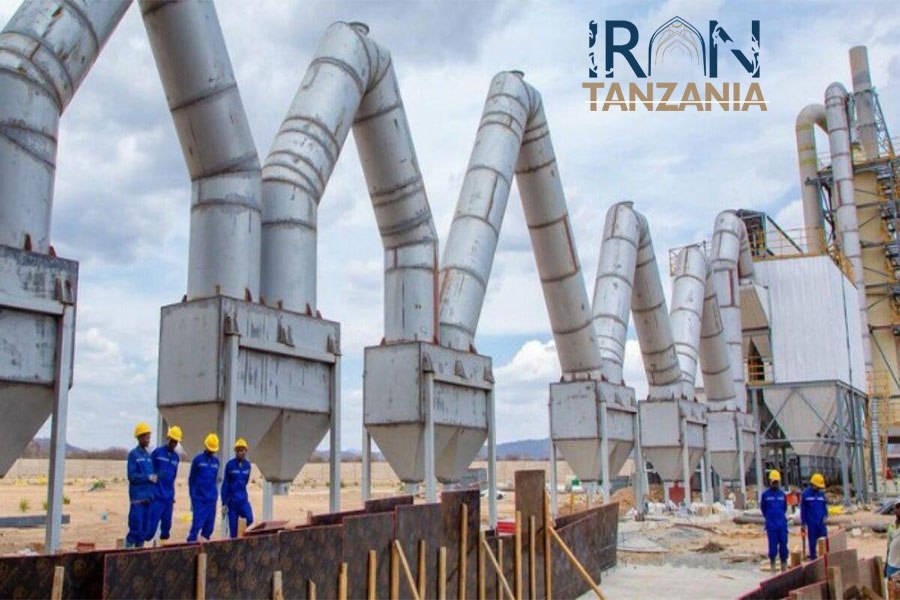
The Government of Tanzania has invited local and international investors to participate in new mineral processing and value-addition projects, including gold refining, nickel and copper processing, and the development of niobium-related industries.
The initiative is part of the government’s strategy to reduce exports of unprocessed minerals, expand domestic industries and increase the contribution of mining to the national economy.
The investment appeal was made during the seventh Tanzania Mining and Investment Conference (TMIC 2026), held in Dar es Salaam from November 19 to 21, bringing together government officials, mining companies, investors and international industry representatives.
The government aims to move beyond mineral extraction and raw material exports towards domestic processing, refining and the production of higher-value mineral products.
Investment Opportunities Across the Mineral Processing Chain
The Tanzanian government has highlighted several areas as important investment opportunities.
1. Gold Refining and Processing
Tanzania is expanding its domestic gold refining capacity. According to information presented at the conference, the country has eight operating gold refineries capable of producing gold at 999.9 purity.
Geita Gold Refinery is also in the final stages of accreditation by the London Bullion Market Association (LBMA).
To encourage domestic refining, the government has introduced incentives, including reducing the royalty on gold refined locally from 6 percent to 4 percent.
2. Nickel and Copper Processing
The development of nickel and copper processing facilities is another major priority for Tanzania’s mining industry.
According to the Minister for Minerals, 16 processing plants targeting nickel and copper are under construction across the country.
These facilities are expected to increase domestic processing capacity, support industrial production and reduce dependence on exports of unprocessed mineral materials.
3. Niobium and Ferro-Niobium Development
Another major project involves plans to establish a large ferro-niobium smelting facility in the Songwe area of Mbeya Region.
The project aims to strengthen domestic niobium processing and produce a higher-value industrial material.
Niobium is used in the production of specialised steel and various advanced industrial applications.
4. Heavy Mineral Sands Processing
A mineral separation plant is also being developed in Pangani District, Tanga Region.
The facility is expected to process heavy mineral sands sourced from Tanzania as well as materials supplied from countries such as Madagascar and South Africa.
The project could support the development of mineral separation technologies and create additional industrial capacity in the region.
Government Pushes for Greater Domestic Mineral Value Addition
Tanzania’s authorities have emphasised that the country’s mining policy is focused on processing minerals locally and preventing the export of materials without sufficient value addition.
The government intends to continue enforcing the requirements of the Mining Act and expects investors holding mining licences to move their projects into actual development and production.
The Vice-President has also warned that action may be taken against investors who hold mining licences without making progress on their projects.
This approach demonstrates that Tanzania is not only seeking investment capital but also expects investors to implement projects, introduce technology and contribute to domestic industrial development.
Mining’s Growing Contribution to Tanzania’s Economy
Mining remains one of Tanzania’s most important sources of export earnings and government revenue.
Figures presented at the conference indicate that the mining sector contributes approximately 10.3 percent of the country’s Gross Domestic Product (GDP). Mineral exports reached around USD 5.4 billion in 2025.
Government revenue from mining also reached approximately TZS 1.393 trillion during the 2025/26 financial year.
The government is also planning to allocate part of its mining revenue to geological research and mineral exploration. According to officials, 10 percent of mining revenue has been earmarked to support geological surveys and exploration activities.
Business Opportunities for Iranian Companies
The expansion of mineral processing projects in Tanzania could create opportunities for Iranian companies operating in mining equipment, metal industries and industrial technology.
Potential areas of cooperation include:
1. Mining Machinery and Equipment
- Crushing and grinding equipment.
- Stone crushers and material handling systems.
- Drilling and extraction machinery.
- Mineral separation and concentration equipment.
2. Metal Refining and Processing Equipment
- Industrial furnaces and smelting equipment.
- Metal refining and purification systems.
- Concentrate and semi-finished product processing equipment.
- Industrial temperature and process control systems.
3. Mineral Separation and Processing Technologies
- Magnetic separation equipment.
- Flotation and concentration systems.
- Mineral washing and classification technologies.
- Laboratory and quality-control equipment.
4. Engineering and Technical Services
- Design and installation of mineral processing lines.
- Maintenance and repair of mining equipment.
- Technical and engineering consultancy.
- Workforce training and technology transfer.
5. Industrial Infrastructure and Supporting Equipment
- Generators and power supply equipment.
- Pumps and water transfer systems.
- Industrial safety and ventilation equipment.
- Spare parts and industrial consumables.
Iranian companies could explore market entry through partnerships with Tanzanian mining companies, participation in equipment supply tenders, local representation or technical and engineering cooperation.
Before pursuing specific projects, companies should review tender requirements, local content obligations, equipment import regulations and the feasibility of international payment arrangements.
Conclusion
Tanzania’s invitation to investors to participate in gold refining and nickel, copper and niobium processing projects reflects the country’s growing focus on mineral value addition and domestic industrial development.
The presence of operating gold refineries, the construction of 16 nickel and copper processing plants and plans for ferro-niobium development are creating opportunities across the mining supply chain.
For Iranian companies specialising in mining machinery, processing equipment, metal industries, engineering services and industrial technologies, these developments provide a reason to explore the Tanzanian market and assess potential commercial partnerships.
Sources:
- TanzaniaInvest, “Tanzania Invites Investors to Gold Refining, Nickel and Copper Processing, Heavy Mineral Sands and Niobium,” November 20, 2026.
- The Citizen, “Key Mining Conference to Focus on Value Addition,” November 18, 2026.
- The Guardian, “Govt Seeks Action Against Inactive Mining Investors,” November 20, 2026.
- The Chanzo, “Tanzania Reaffirms Ban on Raw Mineral Exports,” November 20, 2026.
