

Tanzania Targets 30% Domestic Processing of Cashew Nuts in 2026/2027 Season

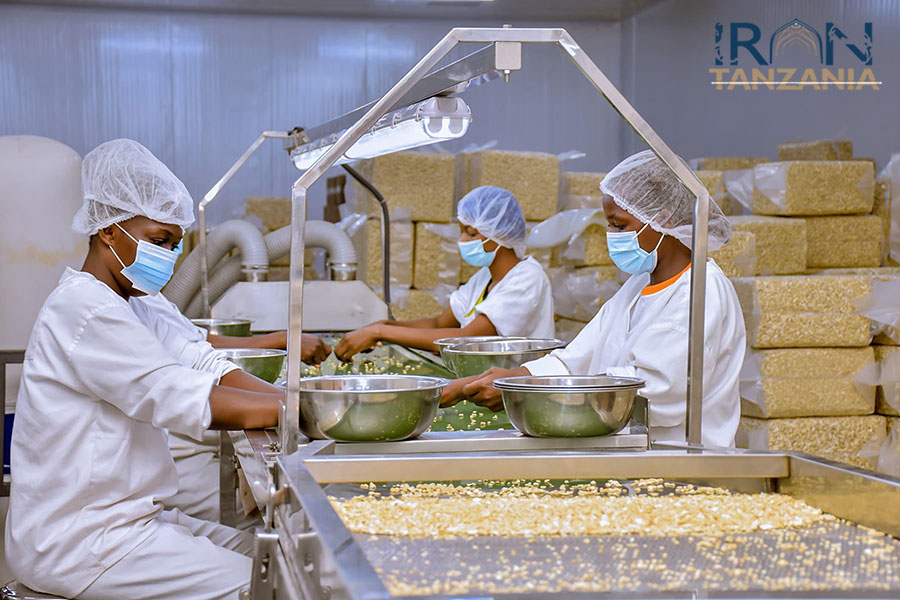
Tanzania is aiming to process 30 percent of its projected raw cashew nut harvest locally during the 2026/2027 season, as the government steps up efforts to expand domestic processing capacity and retain more value from one of the country’s important agricultural export commodities.
According to the Cashewnut Board of Tanzania (CBT), the production target for the season is 750,000 tonnes. Processing 30 percent of this volume would mean handling approximately 225,000 tonnes of raw cashew nuts within the country.
The initiative is part of a broader strategy to strengthen agricultural value addition, create employment and reduce dependence on exports of unprocessed cashew nuts. Tanzania has also set a longer-term target of increasing domestic processing to 60 percent by 2030.
Current Status of Tanzania’s Cashew Processing Industry
The Cashewnut Board reported that local processing accounted for approximately 27 percent of national production during the 2025/2026 season.
Tanzania currently has 26 large-, medium- and small-scale cashew processing factories. However, their existing capacity is estimated to cover around 20 percent of the country’s raw cashew nut output.
The government says additional facilities are being developed, with two large-scale factories expected to begin operations during the current year. These projects are intended to increase the country’s processing capacity and support the 30 percent target.
Maranje Industrial Park and Factory Expansion
One of the key elements of Tanzania’s industrial development strategy is the expansion of cashew processing facilities in the Mtwara Region.
The government is developing large-scale processing facilities at Maranje Industrial Park. The project is expected to support activities across the cashew value chain, including shelling, kernel separation, grading, packaging and preparation for export markets.
Alongside large industrial facilities, the government is seeking to improve access to working capital for small-scale processors and ensure a more stable supply of raw cashew nuts throughout the processing season.
Why Domestic Cashew Processing Matters
Exporting raw cashew nuts means that a significant share of the industrial value generated through processing can be captured in importing countries. Expanding domestic processing allows Tanzania to retain a larger portion of this value within its own economy.
Key potential benefits include:
- Higher export value: Processed and packaged cashew kernels can generate additional value compared with raw nuts.
- Employment creation: Processing facilities require workers in production, quality control, packaging, warehousing and logistics.
- Development of supporting industries: Cashew shells and other by-products can provide opportunities for additional industrial applications.
- Growth of small businesses: Local suppliers, packaging companies and small processing operators may benefit from the expansion of the sector.
Business Opportunities for Iranian Companies
Tanzania’s efforts to expand cashew processing capacity could create opportunities for international suppliers of machinery, industrial equipment and technical services.
Potential areas for Iranian companies to explore include:
- Cashew processing machinery: Shelling machines, kernel separation equipment, dryers, grading systems and packaging lines.
- Quality control equipment: Laboratory instruments, moisture-control systems and equipment for product testing and standardisation.
- Packaging technology: Packaging machinery, export-grade packaging materials and technologies that improve product shelf life.
- Technical services and technology transfer: Installation, commissioning, maintenance and workforce training.
- Industrial investment and partnerships: Cooperation with existing Tanzanian processors or participation in the development of new processing facilities.
Companies interested in entering this market should assess factory requirements, equipment costs, import regulations, investment conditions and the reliability of raw material supply before making investment decisions. The government’s processing target should not be interpreted as a confirmed procurement contract or guaranteed demand for foreign suppliers.
Outlook for Tanzania’s Cashew Industry
The 30 percent domestic processing target for the 2026/2027 season represents an important step in Tanzania’s efforts to strengthen agricultural manufacturing and increase the value retained from its cashew industry.
If factory expansion, financing for smaller processors and reliable raw material supply progress as planned, Tanzania could increase its capacity to export processed cashew kernels and other value-added products.
For Iranian companies active in food-processing machinery, packaging, industrial equipment and technical services, monitoring new processing projects in Mtwara and other cashew-producing regions may help identify potential business partners in East Africa.
Sources: Daily News Tanzania, The Citizen and related reports on Tanzania’s cashew industry.
