

Tanzania Targets 50,000 Tonnes of Meat Exports by 2030, Creating Opportunities Across the Livestock Value Chain

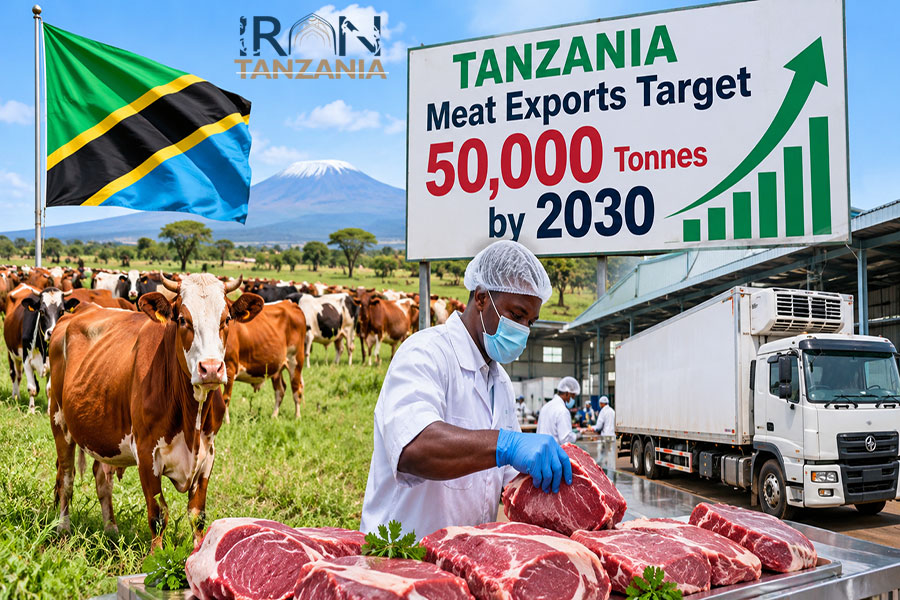
Tanzania is targeting an increase in annual meat exports from approximately 15,000 tonnes to 50,000 tonnes by 2030, more than tripling its current export volume. The government aims to achieve this goal by improving livestock productivity, animal health, nutrition, breeding quality and access to international markets.
Improving Livestock Production and Quality
The target was highlighted at a meat value-chain stakeholders’ meeting in Dodoma, which also focused on opportunities to access the Mauritian market.
Tanzania’s Minister for Livestock and Fisheries, Dr Bashiru Kakurwa, said that achieving the export target would depend on better animal health, improved nutrition and higher-quality livestock breeds to meet international market requirements.
The government is encouraging livestock keepers to provide quality pasture, clean water, salt and essential nutritional supplements. It is also promoting the registration of quality pasture farms and stronger livestock information systems.
Processing and Cold-Chain Infrastructure
Expanding meat exports will require more than increasing livestock numbers. Modern slaughterhouses, meat-processing and packaging facilities, refrigerated storage and temperature-controlled transportation are essential for maintaining product quality and meeting export standards.
Tanzania’s broader agricultural development plans also identify cold-chain infrastructure as an area for investment, including refrigerated transport and storage facilities for meat and other perishable products.
Export Markets and Trade Opportunities
Tanzania is seeking to expand access to international markets, with Mauritius among the destinations discussed at the recent stakeholders’ meeting.
According to figures reported by the Tanzania Meat Board, the country generated approximately TZS 159.9 billion from meat exports in the financial year ending June 2026. Goat and sheep meat accounted for the largest share of export earnings. Existing markets include Vietnam, Comoros, Hong Kong, Kenya and Seychelles.
Potential Opportunities for Iranian Companies
Tanzania’s export expansion plans could create opportunities for international suppliers and investors in several areas:
- Cold-storage systems, refrigerated trucks and temperature-controlled containers
- Slaughterhouse, meat-cutting, processing and packaging equipment
- Animal feed, nutritional supplements and livestock inputs
- Veterinary equipment and animal-health products, subject to local registration requirements
- Technical services for livestock farms, processing facilities and traceability systems
Iranian companies interested in this market should assess Tanzania’s import regulations, sanitary requirements, product certification procedures and local partnership opportunities before entering the market.
Conclusion
Tanzania’s target of exporting 50,000 tonnes of meat annually by 2030 reflects its ambition to turn livestock production capacity into higher export earnings. Achieving this goal will depend on improvements throughout the value chain, from animal production and processing to cold-chain logistics and international market access. These developments may offer opportunities for Iranian suppliers of equipment, technology and livestock-related products.
