

East African Community Seeks Greater World Bank Support to Turn Regional Integration into Investment

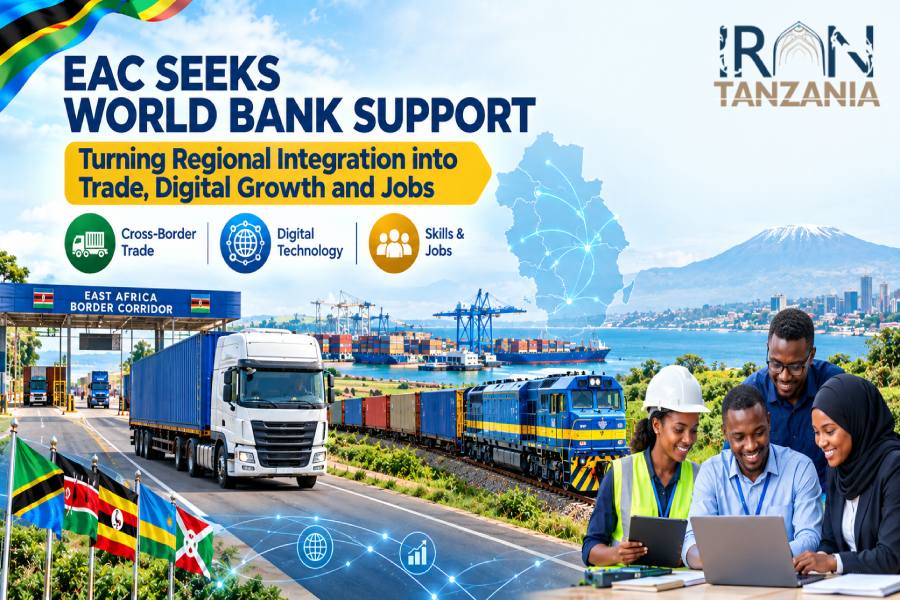
The East African Community (EAC) is seeking greater support from the World Bank to turn regional integration commitments into practical investments that strengthen cross-border trade, digital development, workforce skills and job creation.
The issue was discussed on October 18, 2026, during a meeting between EAC Secretary-General Stephen Mbundi and Ndiamé Diop, the World Bank Vice-President for Eastern and Southern Africa, on the sidelines of the 2026 IMF and World Bank Group Annual Meetings in Bangkok, Thailand. According to The Citizen, the discussions focused on strengthening existing cooperation and identifying new areas where regional collaboration could deliver tangible economic benefits.
The talks highlighted a central challenge facing regional integration: common policies must be supported by financing, infrastructure and the institutional capacity needed to implement them effectively.
Key Priorities for EAC–World Bank Cooperation
The discussions covered several areas intended to improve economic cooperation and strengthen regional development.
-
Cross-border trade: Reducing administrative and commercial barriers that complicate the movement of goods and services.
-
Digital technology: Using digital systems to improve policymaking, information exchange and cross-border business activities.
-
Employment and skills development: Preparing workers for labour-market needs and expanding employment opportunities, particularly for young people.
-
Statistical harmonisation: Improving coordination between national statistical systems to support better policy decisions.
-
Environmental sustainability: Integrating climate resilience and environmental considerations into regional development plans.
The World Bank reaffirmed its continued support for the EAC’s strategic objectives. However, the report did not specify a new funding amount, investment package or binding financial commitment arising from the meeting.
Why Turning Regional Integration into Investment Matters
Regional integration becomes commercially meaningful when businesses can move goods, services, capital and information across borders with fewer delays and lower transaction costs.
In its 2026 report, Integrating Africa: From Threads to Hubs, the World Bank emphasised the importance of connecting markets, reducing trade and regulatory frictions, harmonising customs and standards, and improving transport and digital infrastructure. Effective implementation of regional agreements can help businesses develop cross-border value chains, expand production and create employment.
For the EAC, this means moving beyond policy commitments towards projects and reforms that make it easier for companies to operate across several national markets.
Cross-Border Trade and Digital Technology
1. Facilitating Regional Trade
Different customs procedures, border delays, logistics costs and inconsistent standards can make regional trade more difficult. Better coordination and more efficient transport corridors could help reduce some of these obstacles.
For exporters, importers and distributors, improved procedures may create better access to neighbouring markets and make supply-chain planning more predictable.
2. Expanding Digital Trade
The EAC has also been advancing regional e-commerce and digital trade. At a regional engagement meeting held in Dar es Salaam from October 13 to 15, 2026, participating states discussed digital infrastructure, logistics, cybersecurity, online marketplaces and payment systems.
Greater coordination in these areas could help businesses market products across borders, connect with buyers and conduct more commercial activities through digital platforms.
Potential Implications for Iranian Businesses
The EAC’s efforts to strengthen cooperation with the World Bank are worth monitoring for Iranian companies interested in African markets. If regional reforms advance and related projects receive financing, several areas may merit further market research:
-
Industrial and consumer goods: Assessing demand for Iranian products in Tanzania and neighbouring countries.
-
Logistics and supply chains: Exploring opportunities related to transport, warehousing and regional distribution.
-
Information technology and e-commerce: Evaluating demand for digital business tools, sales management and customer engagement solutions.
-
Infrastructure equipment: Researching potential demand for equipment related to transportation, energy and infrastructure development.
-
Buyer and partner networks: Identifying local importers, distributors and commercial partners.
These are potential areas for investigation, not confirmed contracts or projects whose funding was approved at the October 18 meeting. Businesses should assess actual demand, import regulations, transport costs, payment conditions and competition before committing resources.
Conclusion
The EAC–World Bank discussions on October 18, 2026, focused on turning regional integration commitments into practical investment and development outcomes. Cross-border trade, digital technology, workforce skills and employment remain central to this agenda.
For Iranian businesses, these developments provide a reason to monitor regional market access and emerging commercial needs. The actual benefits will depend on the implementation of reforms, the financing of specific projects and the removal of practical trade barriers.
Frequently Asked Questions
1. What did the EAC seek from the World Bank?
The EAC sought greater support to translate regional integration commitments into practical investments involving trade, digital development, skills and employment.
2. When and where were the discussions held?
The meeting took place on October 18, 2026, on the sidelines of the IMF and World Bank Group Annual Meetings in Bangkok, Thailand.
3. Did the World Bank announce new funding?
The report confirmed continued support but did not specify a new funding amount or financial commitment arising from the meeting.
4. How could this affect Iranian exporters?
If regional trade barriers decline and connectivity improves, exporters may have opportunities to reach more markets and expand distribution networks. The actual benefits will depend on implementation and market conditions.
5. How can Iranian companies assess these opportunities?
They can research target markets, identify local buyers and distributors, review export requirements and assess the most suitable market-entry strategy.
Business Cooperation with Iran2Africa
The Iran–Africa Business Center can support Iranian companies with market research, buyer and partner identification, and the assessment of B2B opportunities in Tanzania and other African markets.
