

Tanzania Targets $220 Billion in Exports by 2050 Through Value Addition and Local Processing

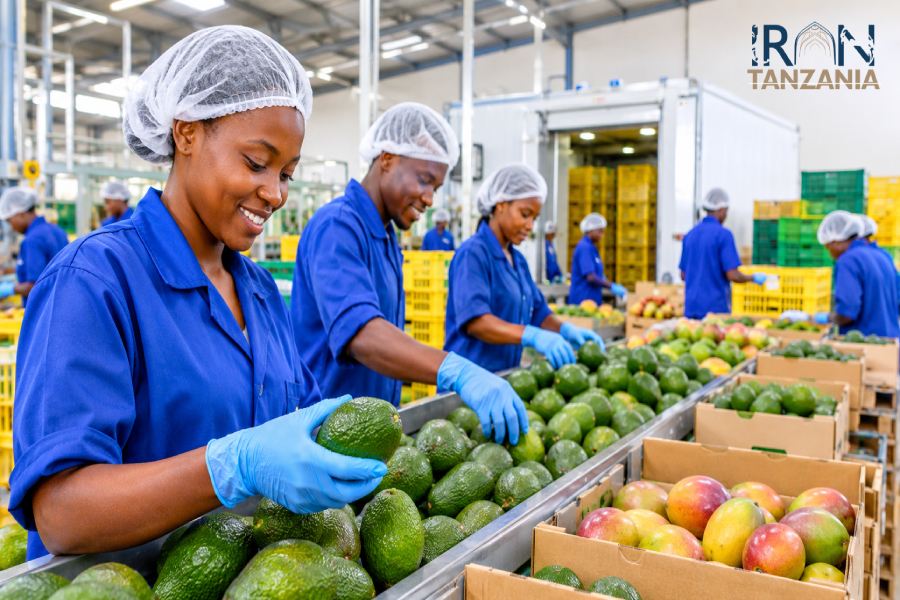
Tanzania is pursuing an ambitious target of generating USD 220 billion in export earnings from goods and services by 2050 under its National Development Vision 2050. The strategy focuses on moving beyond raw commodity exports towards local processing, improved packaging, stronger domestic brands and expanded manufacturing capacity.
According to The Citizen, Tanzania Trade Development Authority (TanTrade) Director General Ephraim Mafuru stated that exports of goods and services had reached USD 21.98 billion by September 2026. The target forms part of the country’s broader ambition to build a USD 1 trillion economy.
Tanzania’s Exports Grow by Nearly 20 Percent
Bank of Tanzania (BoT) figures show that exports of goods and services reached approximately USD 21.065 billion in the year ending September 2026, representing a 19.9 percent increase compared with the corresponding period a year earlier.
Mining, manufacturing and services contributed to the increase in export earnings.
It is important to distinguish between the two reported figures: the USD 21.98 billion figure was cited by the TanTrade Director General, while the USD 21.065 billion figure comes from Bank of Tanzania statistics. They are attributed to different sources and should not be presented as identical figures.
Why Value Addition Matters for Tanzania’s Exports
A central element of Tanzania’s strategy is to capture more economic value from locally produced goods. Exporting raw commodities often leaves significant processing, packaging and branding opportunities to other markets.
By developing domestic processing facilities, Tanzania can increase the value of its products before export, create employment and strengthen local supply chains.
For agricultural products, for example, moving from raw produce exports to processed, packaged and branded goods can help local businesses reach higher-value regional and international markets.
Horticulture Offers Significant Export Potential
Horticulture is one of the sectors highlighted in Tanzania’s export strategy. Speaking on the sidelines of HortiLogistica Africa 2026 in Arusha, TanTrade Director General Ephraim Mafuru pointed to the export potential of fruits, vegetables and spices.
Despite this potential, the sector is still operating below its full export capacity.
Mafuru emphasized that producers need to understand market requirements before committing resources to production and exports. Knowledge of quality standards, demand levels, packaging requirements, storage conditions and distribution channels is essential for building sustainable export operations.
Business Opportunities for Iranian Companies
Tanzania’s focus on local value addition could create opportunities for Iranian companies in industrial equipment, agricultural processing and manufacturing.
Potential areas of cooperation include:
- Food processing machinery: Supplying washing, sorting, processing and packaging equipment for fruits and vegetables.
- Agricultural processing: Technical and investment cooperation in coffee, cashew, avocado and other agricultural value chains.
- Packaging and storage: Providing packaging lines, cold-storage facilities and equipment to extend product shelf life.
- Manufacturing development: Supplying machinery and industrial inputs to local factories.
- Technical services and technology transfer: Workforce training, equipment maintenance and industrial know-how.
Iranian businesses can explore these opportunities by identifying local manufacturers, assessing their technical needs and establishing partnerships with Tanzanian companies.
Conclusion
Tanzania’s target of reaching USD 220 billion in export earnings by 2050 highlights the country’s growing emphasis on value addition, domestic industrial development and export competitiveness.
Export growth in 2026, together with underutilized potential in horticulture and agriculture, creates opportunities for investment in processing, packaging and higher-value products.
Iranian companies may also explore cooperation in industrial machinery, food processing technology, packaging systems and technical services as Tanzania advances its export development strategy.
Sources:
- The Citizen, “Why Value Addition Is Key to Tanzania Unlocking $220 Billion in Exports,” November 11, 2026.
- Bank of Tanzania, export performance for the year ending September 2026.
- Tanzania Trade Development Authority (TanTrade), statements at HortiLogistica Africa 2026.
