

Blog
Tanzania Targets 8,000 MW of Electricity by 2030

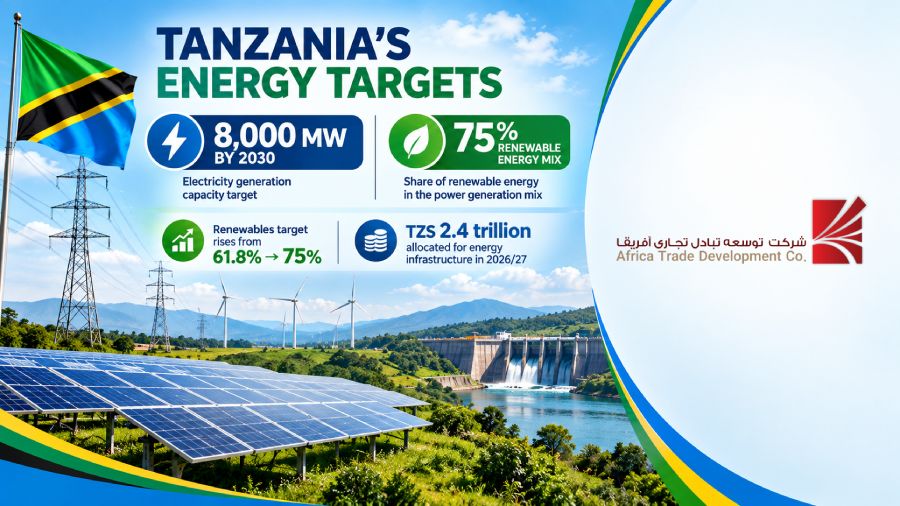
Tanzania Targets 8,000 MW of Electricity Generation by 2030, with 75% Renewable Energy
Tanzania plans to increase its electricity generation capacity to 8,000 megawatts (MW) by 2030 and raise the share of renewable energy in its power generation mix to 75 percent. The targets could create opportunities to explore investment in energy infrastructure, solar technologies, and electricity generation and distribution equipment.
Tanzania’s Electricity Generation Target
According to The Citizen, Tanzania’s Energy Minister, Dr Juma Homera, announced in October 2026 that the country aims to raise electricity generation capacity to 8,000 MW by 2030. The government also intends to increase renewable energy’s share of the power generation mix from 61.8 percent to 75 percent.
The targets were highlighted at the opening of the International Power & Energy Tanzania Expo and Solar Expo 2026 in Dar es Salaam. The events focused on energy technologies and opportunities for cooperation among companies operating in the sector.
Investment in Energy Infrastructure
According to the report, Tanzania’s Ministry of Energy allocated approximately TZS 2.4 trillion for electricity infrastructure and development projects in the 2026/27 financial year.
The government is also seeking to streamline regulations and expand public-private partnerships to attract investment and encourage greater participation by domestic and international companies in energy projects.
More than 160 companies from over 25 countries participated in the energy exhibitions in Dar es Salaam. Technologies showcased included solar panels, battery energy storage systems, smart-grid solutions, and off-grid solar equipment.
Potential Business Opportunities in Tanzania’s Energy Market
Plans to expand electricity generation and renewable energy could provide areas for foreign suppliers and engineering companies to explore potential cooperation.
Potential areas of interest for Iranian companies include:
- Solar panels, inverters, and solar power equipment
- Industrial batteries and energy storage systems
- Electricity transmission and distribution equipment
- Smart meters, monitoring, and grid-control technologies
- Power plant components and engineering services
- Off-grid electricity solutions for rural communities and industrial users
Companies considering market entry should assess technical standards, import regulations, project financing arrangements, and supplier qualification requirements. These are potential areas for market research, not confirmed purchase orders.
Tanzania’s Energy Outlook to 2030
Tanzania’s targets of 8,000 MW of electricity generation capacity and a 75 percent renewable energy share highlight the role of energy infrastructure in the country’s development plans. Achieving these goals will depend on project implementation, financing, technology development, and private-sector participation.
For Iranian companies active in electricity and energy, monitoring upcoming projects and identifying local partners could be useful first steps in assessing commercial opportunities in Tanzania.
The Iran–Africa Business Center can support market research, potential partner identification, and B2B connections between Iranian companies and businesses in Tanzania.
Source: The Citizen
