

Tanzania’s Avocado Exports Reach 52,000 Tonnes, Surpassing 2030 Target Four Years Early

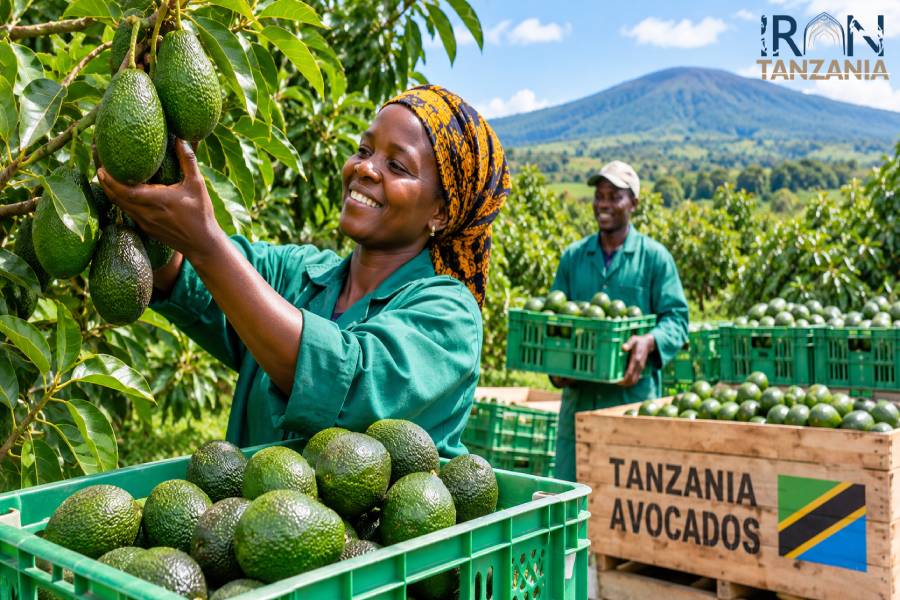
Tanzania’s avocado exports reached 52,000 tonnes in the 2025/2026 season, generating US$97.2 million in foreign exchange earnings and exceeding the country’s 2030 export target four years ahead of schedule.
The government had set a target of exporting 40,000 tonnes of avocados by 2030. The achievement was announced at the Third National Avocado Stakeholders’ Meeting in Dodoma, highlighting the growing importance of avocados in Tanzania’s agricultural exports.
Avocado Exports Grow by 237% in Five Years
According to figures released by the Cereals and Other Produce Regulatory Authority (COPRA), Tanzania’s avocado exports increased from 15,432 tonnes in the 2020/2021 season to 52,000 tonnes in 2025/2026, representing growth of 237 percent.
Export earnings also increased significantly, rising from US$44.2 million to US$97.2 million over the same period, an increase of 120.4 percent.
National avocado production grew from 149,340 tonnes to 203,473 tonnes, representing an increase of approximately 36 percent.
Europe, India and the Middle East Are Key Export Markets
International markets are playing an increasingly important role in Tanzania’s avocado industry.
According to data from the Tanzania Horticultural Association (TAHA), Europe accounts for approximately 40 percent of Tanzania’s avocado exports, followed by India at around 30 percent and the Middle East at approximately 19 percent.
Other destinations include China, the Netherlands, the United Arab Emirates, France and South Africa.
Access to the Chinese market has also expanded following a phytosanitary protocol signed between Tanzania and China in 2022. In September 2024, China opened its market to Tanzanian Hass, Fuerte and Pinkerton avocado varieties.
Government Support for Production and Export Growth
The Tanzanian government is planning further measures to strengthen avocado production, improve farmers’ productivity and expand export infrastructure.
During the 2025/2026 season, 129,986 improved avocado seedlings were distributed to producers. The government plans to distribute an additional 500,000 seedlings during the 2026/2027 season.
Other support measures include:
- Supporting 169 agricultural and avocado producer groups.
- Recruiting 50 agricultural extension officers.
- Developing collection and storage centres.
- Investing in irrigation and transport infrastructure.
- Improving product quality, standardisation and cold-chain logistics.
The Ministry of Agriculture is also targeting an increase in average avocado productivity from approximately six tonnes per hectare to 10.8 tonnes per hectare.
Business and Investment Opportunities in the Avocado Value Chain
The expansion of avocado exports creates opportunities beyond fruit production and international sales. Growing export volumes increase demand for specialised equipment, processing facilities, packaging and logistics services.
For Iranian companies, potential areas of cooperation with Tanzanian businesses include:
- Food processing machinery: Supplying avocado sorting, grading, washing and packaging equipment.
- Agro-processing: Exploring investment and cooperation in avocado oil and other processed products.
- Packaging materials: Supplying export cartons, containers and packaging machinery.
- Cold-chain infrastructure: Providing cold storage, refrigeration and temperature-controlled transportation systems.
- Agricultural technology: Supplying irrigation equipment, agricultural inputs and productivity-enhancing technologies.
Given the importance of maintaining product quality during long-distance transportation, cold-chain development and processing technology could become particularly relevant areas for commercial cooperation.
Avocados and Tanzania’s Horticultural Export Strategy
The growth of avocado exports is part of Tanzania’s broader ambition to expand its horticultural export sector.
According to Bank of Tanzania data, horticultural exports generated approximately US$569.3 million in 2024, exceeding tobacco and cashew nut export earnings during the same year.
Tanzania aims to increase annual horticultural export earnings to US$2 billion by 2030. Achieving this target will require higher agricultural productivity, access to new international markets, compliance with export standards and continued investment in logistics and processing infrastructure.
Conclusion
Tanzania’s avocado exports reaching 52,000 tonnes and generating US$97.2 million in the 2025/2026 season demonstrate the growing commercial potential of the country’s avocado industry.
Surpassing the 2030 export target four years early, alongside expanding access to European, Indian and Middle Eastern markets, creates opportunities for investment in processing, packaging, machinery and cold-chain infrastructure.
For Iranian companies, this growth offers potential opportunities to explore partnerships with Tanzanian producers, exporters and investors across the avocado value chain.
Sources:
- Cereals and Other Produce Regulatory Authority (COPRA)
- Tanzania Horticultural Association (TAHA)
- TanzaniaInvest, November 3, 2026
- The Citizen and The Guardian, Tanzania avocado industry reports
