

Blog
Tanzania’s Container Traffic Rises 16.9% as Trade Supports Customs Revenue

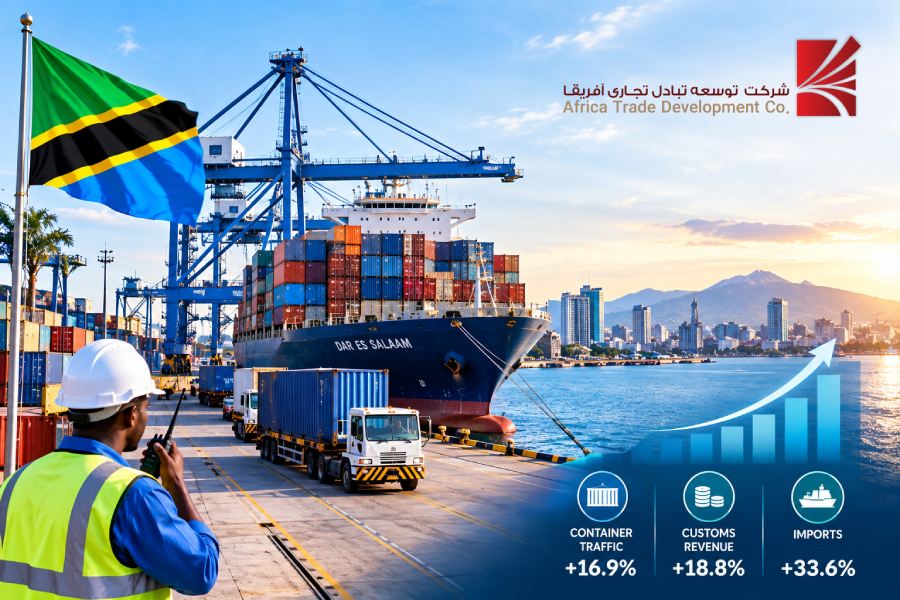
Tanzania’s container traffic increased by 16.9 percent, while stronger import activity and improved revenue-administration systems contributed to higher government revenue during the first quarter of the 2026/27 financial year.
According to the Tanzania Revenue Authority (TRA), the authority collected TZS 10.65 trillion during the quarter, exceeding its target of TZS 9.91 trillion. Revenue was also 18.81 percent higher than the TZS 8.96 trillion collected during the same period of the previous year.
Container Traffic Growth Reflects Stronger Trade Activity
Economic analysts cited by Tanzania’s Daily News linked part of the revenue performance to increased trade activity.
Imports during the period were valued at TZS 89.77 trillion, representing a 33.66 percent increase, while container traffic rose by 16.9 percent.
The figures highlight the relationship between trade volumes, port activity and government revenue.
Dar es Salaam Port Remains a Key Trade Gateway
The Port of Dar es Salaam is central to Tanzania’s international and regional trade network.
Between July 2025 and March 2026, ports managed by the Tanzania Ports Authority handled approximately 1.005 million TEUs, up 20.88 percent from the same period of the previous financial year.
Total cargo handled by TPA ports reached 29.66 million tonnes, an increase of 27.96 percent.
The growth reflects stronger cargo flows and increasing demand for Tanzania’s maritime and logistics infrastructure.
Customs Revenue Also Increased
Higher trade volumes have also been reflected in customs revenue.
Customs revenue associated with port trade reached TZS 12.33 trillion in 2024/25, up from TZS 10.55 trillion in the previous year, representing approximately 17 percent growth.
However, the latest TRA report also shows that revenue growth has been supported by several factors beyond trade volumes, including taxpayer registration, improved tax administration, technology and enforcement against tax evasion.
Digital Customs Systems Support Revenue Administration
Technology is playing an increasingly important role in Tanzania’s customs and tax administration.
The Tanzania Customs Integrated System (TANCIS) supports customs processes, while the Integrated Domestic Revenue Administration System (IDRAS) supports domestic tax administration.
TRA reported that 83 institutions were connected to IDRAS and 28 to TANCIS.
Greater use of digital systems can improve access to trade information, reduce manual processes and strengthen revenue monitoring.
Regional Transit Trade Is Also Expanding
The increase in container traffic is important not only for Tanzania’s domestic market but also for regional trade.
Transit cargo through Dar es Salaam Port increased by 17 percent to 14.61 million tonnes in 2025/26.
Cargo destined for the Democratic Republic of Congo increased by 30 percent to 7.77 million tonnes, accounting for approximately 53 percent of total transit cargo.
This reinforces Dar es Salaam’s role as a gateway for landlocked markets in East and Central Africa.
Opportunities in Logistics and Supply Chains
Growing container traffic can generate opportunities across the wider logistics ecosystem, including:
- Container handling
- Warehousing
- Road and rail transport
- Freight forwarding
- Customs clearance
- Supply-chain technology
- Cold-chain logistics
- Packaging
- Multimodal transportation
- Port equipment and services
For investors and international companies, these areas can offer opportunities linked to Tanzania’s expanding role in regional trade.
Opportunities for Iranian Companies
The expansion of Tanzania’s port and logistics infrastructure may also be relevant to Iranian companies seeking access to East African markets.
Potential areas include:
- Port and cargo-handling equipment
- Logistics technology
- Warehousing systems
- Cold-chain equipment
- Packaging solutions
- Transport services
- Engineering and technical services
Iranian exporters should nevertheless assess Tanzanian import regulations, standards, tariffs, logistics costs and potential buyers before entering the market.
Outlook
Tanzania’s rising container traffic, increasing imports, port investment and digital customs systems are strengthening the country’s trade infrastructure.
The combination of port modernization, regional transit trade and digital customs administration could support Tanzania’s ambition to remain an important logistics gateway for East and Central Africa.
Conclusion
A 16.9 percent increase in container traffic, combined with a 33.66 percent increase in import values, highlights stronger trade activity in Tanzania during the first quarter of FY2026/27.
At the same time, TRA collected TZS 10.65 trillion, up 18.81 percent year on year.
For Tanzania, the challenge will be to convert higher cargo volumes into sustained improvements in logistics efficiency, regional trade competitiveness and public revenue.
