

Tanzania Courts 57 Investors to Expand Pharmaceutical Manufacturing and Cut Drug Imports

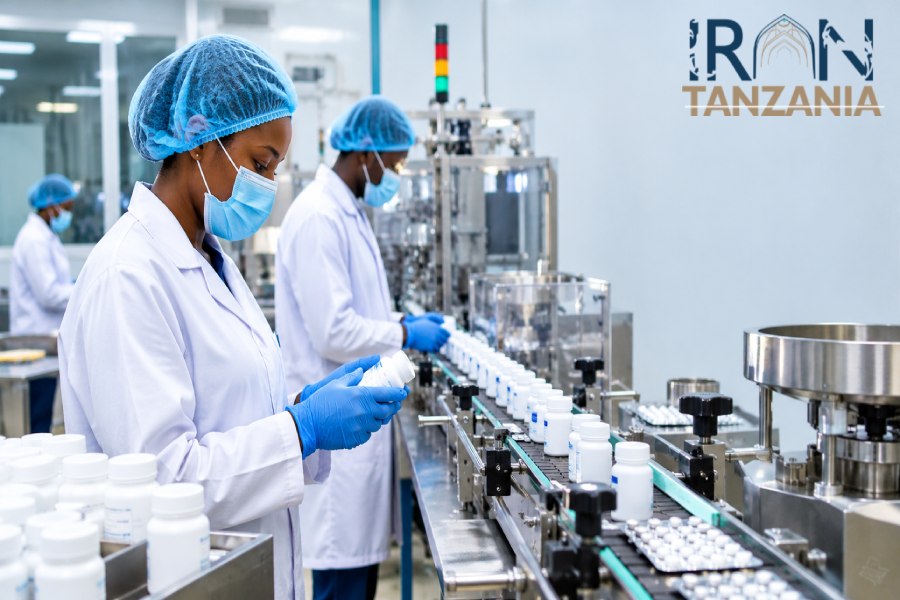
Tanzania is stepping up efforts to reduce its dependence on imported medicines, with 57 companies at different stages of negotiations with the government over potential investments in pharmaceutical manufacturing.
According to The Citizen, which published the report on October 22, 2026, more than 85 companies have expressed interest in investing in the sector. The government hopes to turn this interest into new manufacturing capacity and strengthen the country’s pharmaceutical supply chain.
Tanzania Spends Nearly $1 Billion Annually on Health Commodities
Government Chief Pharmacist Daudi Msasi said Tanzania spends nearly $1 billion annually on medicines and other health commodities, with more than 90 percent of this expenditure going towards imports.
The country’s 19 pharmaceutical manufacturers currently meet less than 20 percent of domestic demand. This leaves Tanzania heavily reliant on overseas suppliers to meet its healthcare needs.
The government aims to increase domestic production so that local manufacturers can meet 80 percent of national demand for medicines and other health products by 2030.
57 Companies in Investment Negotiations
The government is engaging potential domestic and international investors to expand pharmaceutical production. However, expressions of interest and ongoing negotiations do not necessarily mean that all proposed projects will proceed to implementation.
Local manufacturers already produce oral solid dosage medicines, intravenous infusions, topical preparations, rapid diagnostic test kits and some medical devices. Their combined output, however, remains insufficient to meet the country’s needs.
Achieving the 2030 target will require investment in manufacturing facilities, modern equipment, skilled personnel and reliable quality-control systems.
Regulatory Standards and Supply-Chain Challenges
One of the main barriers to expanding pharmaceutical manufacturing is the high cost of establishing facilities that comply with Good Manufacturing Practice (GMP) standards.
These standards cover production processes, quality assurance and the consistency and safety of pharmaceutical products. Manufacturers must invest in suitable facilities, equipment and testing systems before production can begin.
Dependence on imported active pharmaceutical ingredients (APIs) is another challenge. Increasing domestic production will therefore require not only new factories but also stronger supply chains, technical expertise and laboratory capacity.
The government has also called for more efficient medicine registration and professional factory inspections while maintaining safety and quality requirements.
Potential Business Opportunities for Iranian Companies
Tanzania’s pharmaceutical development plans could create opportunities for international suppliers and industrial partners. Areas worth exploring include:
- Pharmaceutical manufacturing and packaging machinery.
- Pharmaceutical raw materials and active ingredients, subject to regulatory approval.
- Laboratory equipment and quality-control systems.
- Technical cooperation and technology transfer.
- Joint ventures and contract manufacturing with qualified local partners.
Companies considering the market should first assess Tanzania’s product registration requirements, import rules, GMP obligations and investment procedures.
Outlook: A Growing Pharmaceutical Market
Tanzania’s target of meeting 80 percent of domestic demand through local production by 2030 signals a major policy focus on pharmaceutical manufacturing and health security.
Achieving this goal will depend on whether investment negotiations translate into operational projects, supported by financing, infrastructure, skilled workers and reliable access to raw materials.
For Iranian businesses, monitoring these developments could help identify potential partners and evaluate opportunities in pharmaceutical equipment, technical services and industrial cooperation.
Source: The Citizen, “Behind Tanzania’s plan to reduce dependence on imported medicines,” October 22, 2026.
