

Tanzania Grants Nine Gold Exploration Licences to Saudi Firm, with $10 Million Initial Investment Plan

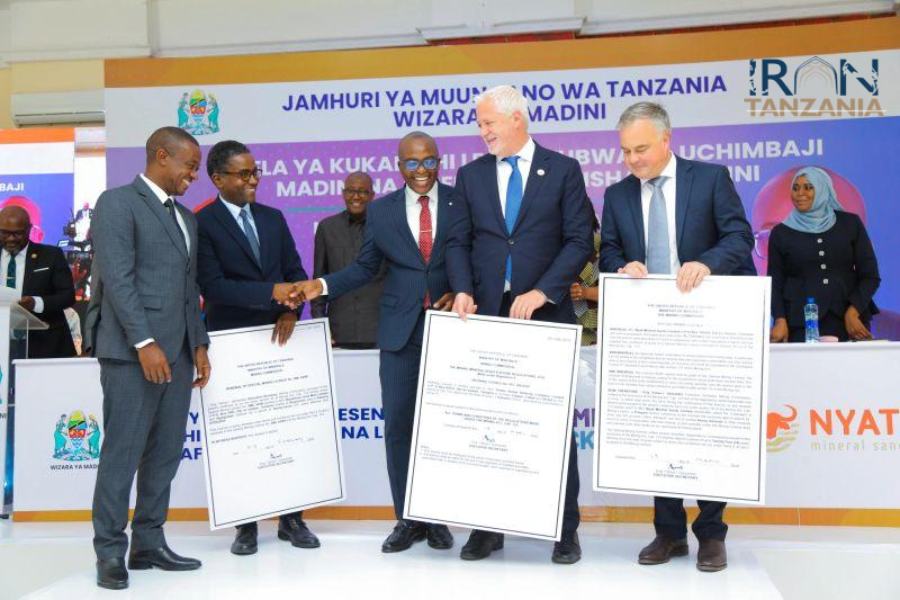
Tanzania has granted nine mineral exploration licences to Saudi Arabia’s Saudia Gold Refinery, opening a new opportunity for foreign investment in the country’s mining sector. The project could potentially lead to the development of a major gold mine if exploration confirms sufficient commercially viable mineral deposits.
According to a report published by The Citizen on November 5, 2026, Tanzania’s Minister for Minerals, Anthony Mavunde, handed over the licences in Dodoma. He said the licensed areas could be developed into a major mining project if exploration results confirm adequate mineral resources.
$10 Million Planned for Initial Exploration
Feisal Sulaiman Alothaim, Vice-Chairman of Saudia Gold Refinery, said the company plans to invest approximately US$10 million in the initial stages of its exploration activities in Tanzania.
The initial programme includes geophysical surveys expected to be conducted before the end of 2026. These studies will help assess the mineral potential of the licensed areas and determine the next stages of exploration.
The planned investment currently relates to exploration activities. It does not yet represent confirmation of economically viable gold reserves or the start of commercial mining operations.
Tanzania Seeks to Attract Capable Mining Investors
Minister Mavunde said the allocation of the licences is part of the government’s strategy to attract investors with the financial resources, technology and technical expertise needed to develop the country’s mineral resources.
The company expressed interest in investing in Tanzania during the Tanzania–Saudi Arabia Business Forum held in Dar es Salaam. According to the minister, the initial licensing process was completed within seven working days.
The government is also reviewing mining licences held by investors who have failed to undertake the required exploration or mining activities. Licences belonging to non-compliant holders may be revoked, allowing the areas to be reassigned to investors committed to developing them.
Local Employment and Business Participation
The Tanzanian government has urged the Saudi company to comply with licence conditions and work with local experts, service providers and businesses.
The company has also pledged to prioritise Tanzanian employees and locally sourced goods and services as its operations develop.
The government says some repossessed mining areas will also be made available to small-scale miners, including women, young people and persons with disabilities, through development programmes in the mining sector.
Business Opportunities in Tanzania’s Mining Supply Chain
The new exploration project could create opportunities for businesses operating in several supporting industries, including:
- Mineral exploration and drilling equipment
- Geophysical and geological services
- Laboratory testing and technical consulting
- Mining machinery, spare parts and industrial equipment
- Transport and logistics services
- Mining safety equipment and technical supplies
- Engineering, maintenance and contracting services
For Iranian companies active in mining equipment, industrial supplies and technical services, the development may indicate potential demand in Tanzania’s mining supply chain. However, businesses should assess local licensing requirements, import regulations and local-content obligations before pursuing opportunities.
Conclusion: The allocation of nine exploration licences to Saudia Gold Refinery and its planned initial investment of US$10 million represent a new step in Tanzania–Saudi Arabia mining cooperation. The project’s long-term impact will depend on exploration results, the confirmation of viable mineral deposits and the company’s compliance with its investment and local-participation commitments.
