

Tanzania Targets 2.1 Million Tonnes of Rice Production in the Southern Highlands by 2030

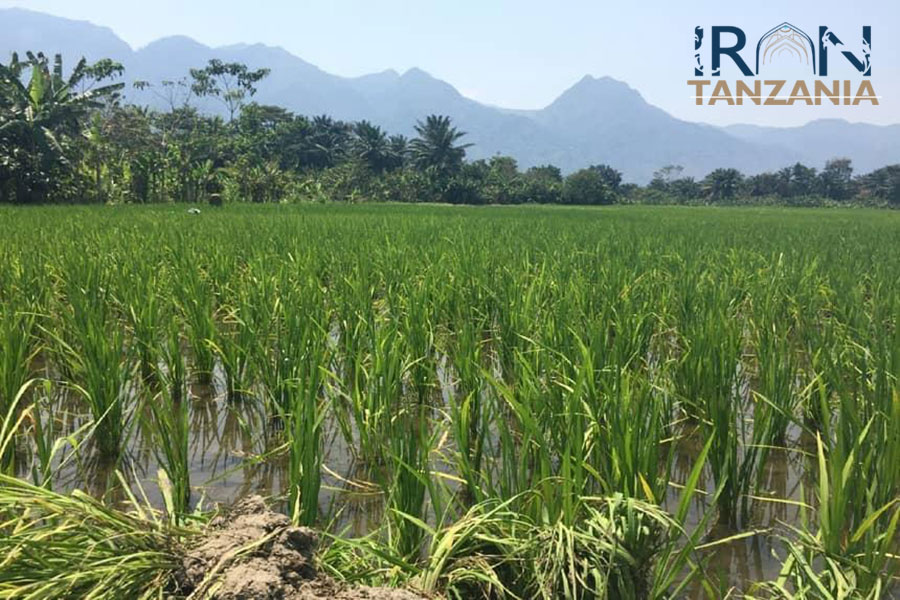
Tanzania’s Southern Highlands are targeting annual paddy rice production of 2.1 million tonnes by 2030 under a new initiative designed to attract US$1 billion in investment across the rice value chain. The programme aims to improve agricultural productivity, reduce post-harvest losses and strengthen Tanzania’s position in regional rice markets.
US$1 Billion Investment Plan for the Rice Value Chain
According to a report published by The Citizen on October 20, 2026, the SAGCOT Corridor Rice Commodity Compact brings together government institutions, farmers, millers, banks and development partners. Its priorities include irrigation, improved seeds, storage, processing, financing and market access.
The agreement was validated and signed in Morogoro on October 15 and 16. It covers approximately 385,000 hectares across the Mbarali cluster in Mbeya and Songwe, Ihemi in Iringa, and Kilombero in Morogoro.
Doubling Production and Reducing Post-Harvest Losses
The corridor currently produces around 950,000 tonnes of paddy annually. Reaching the 2.1-million-tonne target would more than double production and support Tanzania’s national goal of producing eight million tonnes of paddy per year by 2030.
The sector continues to face challenges, including low productivity, limited irrigation infrastructure, high input costs and significant post-harvest losses. The report estimates annual post-harvest rice losses at approximately 762,200 tonnes.
Improved Seeds and Financing for Farmers
The compact aims to expand access to quality seeds, agricultural credit, equipment, storage and processing facilities. It targets an increase in the use of improved seeds to 40 percent by 2030.
The initiative also seeks to facilitate 30 bankable investment deals and involve 110,000 farmers in contract farming or shared-value schemes. Stronger links between farmers and buyers could help producers access financing and more reliable markets.
Trade and Investment Opportunities
The programme could create opportunities in irrigation systems, agricultural machinery, seed supply, storage facilities, rice milling, packaging and logistics. Higher productivity and lower losses could also strengthen Tanzanian rice exports to markets within the East African Community (EAC) and the Southern African Development Community (SADC).
Achieving these targets will depend on effective implementation, investment mobilisation, regulatory reforms and coordination among farmers, financial institutions and buyers.
Source: The Citizen, Tanzania, October 20, 2026.
