

Young Tanzanian Entrepreneurs Turn Agricultural Waste into Profitable Businesses

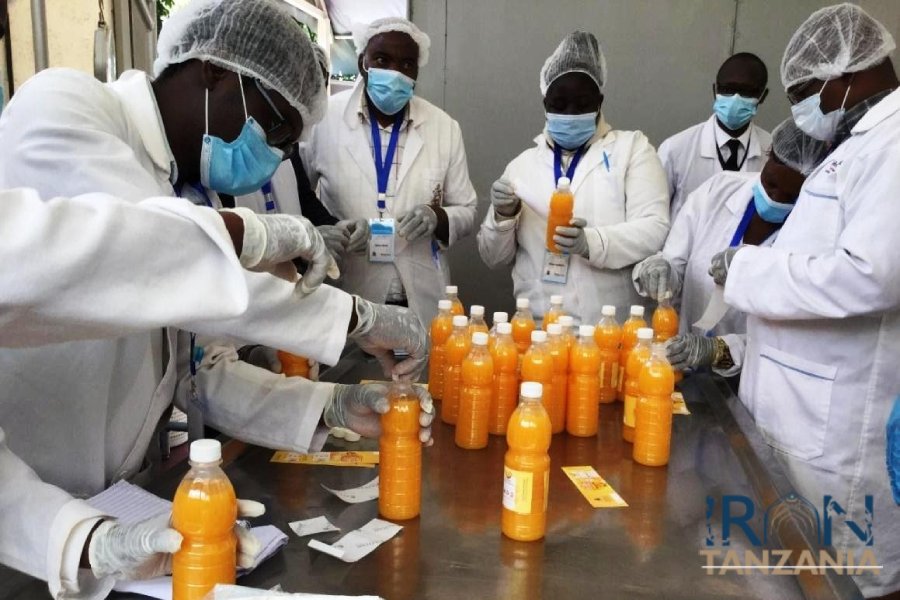
Young entrepreneurs in Tanzania are creating new business opportunities by transforming unsold and perishable agricultural produce into marketable products. Through food processing and value addition, businesses are finding ways to reduce post-harvest losses while generating additional income from crops such as tomatoes and mangoes.
According to a report by The Citizen, nearly 40 percent of tomatoes produced in Tanzania are wasted every year due to storage and market-related challenges. This highlights the potential for expanding agro-processing industries and improving the value of locally produced agricultural commodities.
Turning Surplus Tomatoes into Marketable Products
One example is Elite Brand, an Iringa-based company led by Chief Executive Officer Angelina Silvester.
After observing the large quantities of tomatoes wasted annually, Silvester identified an opportunity to transform the surplus produce into commercially viable products.
The company specialises in tomato processing and fruit wine production, creating additional uses for tomatoes that may otherwise remain unsold or spoil before reaching consumers.
Silvester said affordable financing from the Agricultural Inputs Trust Fund (AGITF), under the Building a Better Tomorrow (BBT) programme, helped the company acquire additional machinery.
The new equipment reduced production time and enabled the factory to manufacture more products within a shorter period. The financing also helped the company reach the stage of officially launching its products in the market.
Mango Processing Creates Opportunities in Tanga
Another example is young entrepreneur Ernest Kiwango, a resident of Tanga Region who is involved in fruit juice production.
Kiwango identified a business opportunity after observing large quantities of mangoes being harvested and left to rot in farms, particularly during the November and December harvest season.
Working with other group members, he established a factory to produce different types of fruit juices.
Access to government-supported financing helped the group turn its business idea into a production activity.
The initiative demonstrates how processing seasonal fruits can reduce agricultural losses, create new income opportunities and support the development of food industries in farming communities.
Financing Supports Agricultural Entrepreneurship
Access to affordable finance is one of the key factors enabling young entrepreneurs to transform business ideas into operating production facilities.
The Agricultural Inputs Trust Fund (AGITF), which operates under Tanzania’s Ministry of Agriculture, provides financial support to smallholder farmers, women and young people involved in agricultural activities and related businesses.
The fund operates through two main financing mechanisms:
1. Direct loans: Financing for individual farmers, groups and cooperative societies to support agricultural production and related business activities.
2. Credit Guarantee Scheme: A mechanism implemented in collaboration with financial institutions to help borrowers who lack sufficient collateral. The fund provides guarantees to lenders on behalf of eligible borrowers, improving their access to credit.
These financing arrangements can help small and medium-sized businesses purchase machinery, increase production capacity and bring processed products to market.
Circular Economy Creates New Opportunities in Tanzania
The experiences of these entrepreneurs demonstrate that agricultural waste does not necessarily have to be treated as worthless material. With suitable technology, investment and market access, surplus produce can become a valuable industrial input.
Processing tomatoes into food products, producing juice from surplus mangoes and establishing small-scale processing facilities can deliver several economic and environmental benefits:
- Reducing post-harvest agricultural losses.
- Increasing the value of locally produced commodities.
- Creating employment opportunities for young people and women.
- Improving incomes for farmers and local businesses.
- Expanding food processing and agro-industrial activities.
- Increasing the availability of processed food products.
Business Opportunities for Iranian Companies
The growth of agricultural processing businesses in Tanzania could create opportunities for Iranian companies operating in food processing, machinery and packaging industries.
Potential areas of cooperation include:
Food processing machinery: Supplying equipment for washing, crushing, extraction, cooking, pasteurisation and packaging of tomatoes and fruits.
Juice production lines: Providing machinery for juice extraction, filtration, filling and packaging.
Food preservation technologies: Supplying cold storage, warehousing and preservation systems to reduce post-harvest losses.
Food packaging: Providing bottles, containers, multilayer packaging materials and packaging machinery.
Investment and technology transfer: Partnering with local entrepreneurs and manufacturers to establish or expand small and medium-sized food processing facilities.
For Iranian companies, supplying equipment suited to the scale of local businesses and cooperating with Tanzanian producers could offer a practical route into the country’s growing agro-processing market.
Conclusion
The experience of young Tanzanian entrepreneurs turning surplus tomatoes and mangoes into marketable products shows how reducing agricultural waste can create new economic opportunities.
Access to financing, machinery and processing facilities plays an important role in developing these businesses. Continued growth in this area could strengthen Tanzania’s agricultural value chains, expand its food processing industry and increase the value of locally produced goods.
These developments also offer potential opportunities for Iranian companies in food processing machinery, packaging technologies, storage equipment and industrial cooperation.
Main Source:
- The Citizen Tanzania, “From Farm Waste to Wealth: Tanzania’s Young Entrepreneurs Turn Spoiled Produce into Business Opportunities,” by Bertha Ismail, November 15, 2026.
