

Zanzibar Pushes Seaweed Value Addition, Creating New Opportunities in Food and Cosmetics Industries

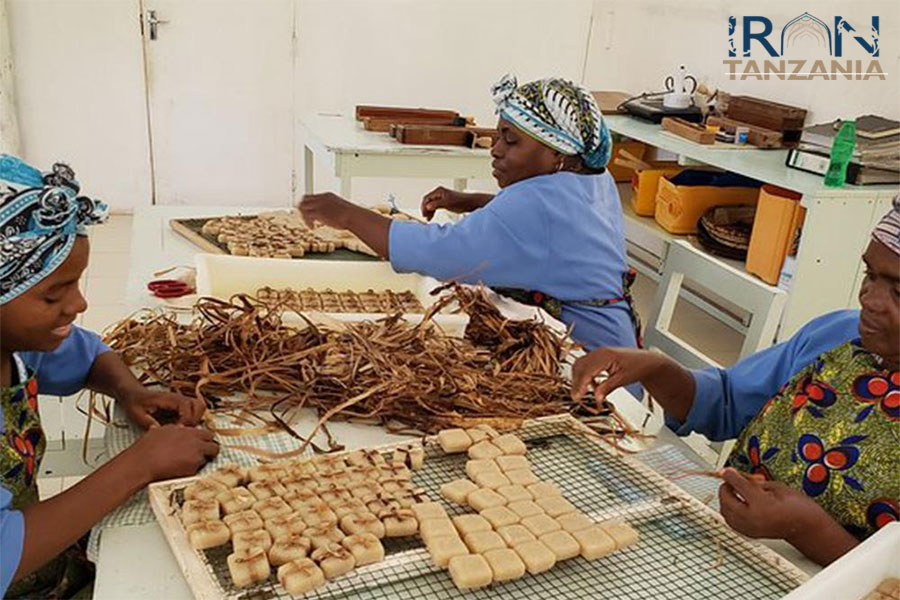
The Government of Zanzibar is pursuing a strategy to expand seaweed processing and increase the value of locally produced marine resources. The initiative aims to reduce raw seaweed exports, develop local manufacturing industries, improve farmers’ incomes and expand access to international markets.
As part of this strategy, the Zanzibar Seaweed Investment Forum 2026 was held in Unguja from November 18 to 20, providing a platform to promote investment opportunities, attract technology providers and strengthen partnerships between local producers and international investors.
The government aims to attract between USD 46 million and USD 127 million in investment commitments across the seaweed value chain.
Rising Seaweed Production but Declining Economic Value
One of the main reasons behind the government’s focus on processing is the gap between increasing production and the economic returns generated by the industry.
Figures presented at the Seaweed Investment Conference show that Zanzibar’s seaweed production increased from 16,653 tonnes in 2024 to 20,075 tonnes in 2025.
However, the value of production declined from TZS 16.5 billion to approximately TZS 16.1 billion over the same period.
During the opening of the investment forum, Zanzibar President Hussein Ali Mwinyi stressed that continued exports of raw seaweed meant that much of the economic value generated through processing was being captured outside Zanzibar.
The government believes that developing local processing facilities and manufacturing finished products can help farmers and local businesses retain a greater share of the industry’s economic value.
Investment Opportunities Across the Seaweed Value Chain
Zanzibar has identified several important areas for investment.
1. Food Ingredients Manufacturing
Seaweed is used in the production of food ingredients and additives. Extracting compounds such as carrageenan and alginates creates opportunities to manufacture thickening agents, stabilisers and emulsifiers used in the food industry.
2. Cosmetics and Personal Care Products
Seaweed-based compounds can be used in skincare and haircare products, including soaps, creams, lotions and other personal care products.
3. Nutraceuticals and Health-Oriented Products
Specialised seaweed processing can support the production of certain food products and supplements based on seaweed-derived ingredients, subject to applicable safety and regulatory standards.
4. Agricultural Inputs and Fertilisers
Seaweed can also be processed into biofertilisers and plant biostimulants, creating opportunities at the intersection of marine resources and agriculture.
5. Biotechnology and Industrial Ingredients
The extraction of bioactive compounds and the development of new industrial applications represent additional areas for investors interested in seaweed-based technologies.
Government Targets Up to USD 127 Million in Investment
The Zanzibar Seaweed Investment Forum was organised with the involvement of the Revolutionary Government of Zanzibar, the United Nations Development Programme (UNDP), the Zanzibar Investment Promotion Authority (ZIPA) and the Zanzibar Maisha Bora Foundation.
The forum aimed to present investment-ready opportunities across the entire seaweed value chain, including cultivation, industrial processing, packaging, logistics and international marketing.
The investment pipeline includes carrageenan and hydrocolloid extraction plants, bioactive processing facilities, cosmetics and food manufacturing, as well as industrial drying and storage infrastructure.
Other priorities include modern deep-water farming techniques, improved seaweed varieties and seeds, and technologies that strengthen production resilience against climate change.
Seaweed’s Role in Employment and Zanzibar’s Local Economy
Seaweed farming is an important source of income for coastal communities across Zanzibar.
According to figures presented by local authorities during the conference, the sector supports the livelihoods of more than 150,000 people, including approximately 33,000 women farmers involved in seaweed cultivation.
Given the significant role of women in the industry, expanding local processing could create additional employment opportunities in manufacturing, packaging and marketing while improving household incomes in coastal communities.
Post-harvest losses are another major challenge. Zanzibar’s Minister for Blue Economy and Fisheries stated that approximately 35 percent of seaweed is lost after harvesting.
Improving drying methods, storage facilities and transportation systems is therefore an important priority for the industry’s development.
Business Opportunities for Iranian Companies
The expansion of Zanzibar’s seaweed industry could create opportunities for Iranian companies operating in food processing, cosmetics, machinery and industrial technologies.
Potential areas of cooperation include:
1. Seaweed Processing Machinery: Supplying washing, industrial drying, milling, extraction and separation equipment.
2. Food Processing Industries: Cooperation in producing food additives, thickeners, stabilisers and ingredients used in dairy and food manufacturing.
3. Cosmetics and Personal Care: Joint production of soaps, creams, lotions and skincare and haircare products using seaweed-derived ingredients.
4. Packaging and Storage Equipment: Providing packaging lines, warehousing equipment, cold-storage facilities and humidity-control systems.
5. Technology Transfer: Cooperation in carrageenan extraction, bioactive compound production and the development of industrial seaweed processing lines.
6. Joint Investment: Partnering with local producers and cooperatives to establish processing facilities and manufacture finished products in Zanzibar.
For Iranian companies, supplying machinery, transferring technical expertise and establishing partnerships with local businesses could provide a route into this emerging East African market.
Conclusion
Zanzibar’s seaweed value-addition strategy reflects its ambition to transform a raw export commodity into a diversified processing and manufacturing industry.
The investment target of up to USD 127 million, together with plans for processing plants, food and cosmetics ingredients manufacturing and reduced post-harvest losses, could create new opportunities within Zanzibar’s blue economy.
These developments are relevant to Iranian companies specialising in food processing machinery, industrial equipment, cosmetics manufacturing and extraction technologies, offering potential opportunities for trade, investment and industrial cooperation in East Africa.
Sources:
- The Citizen Tanzania, Zanzibar’s Seaweed Investment Sector Report, November 14, 2026.
- The Citizen Tanzania, Report on President Mwinyi’s Seaweed Value Addition Initiative, November 18, 2026.
- Daily News Tanzania, “Mwinyi Pushes Seaweed Value Addition Drive,” November 2026.
- Zanzibar Seaweed Investment Forum 2026, Official Programme and Investment Opportunities.
